
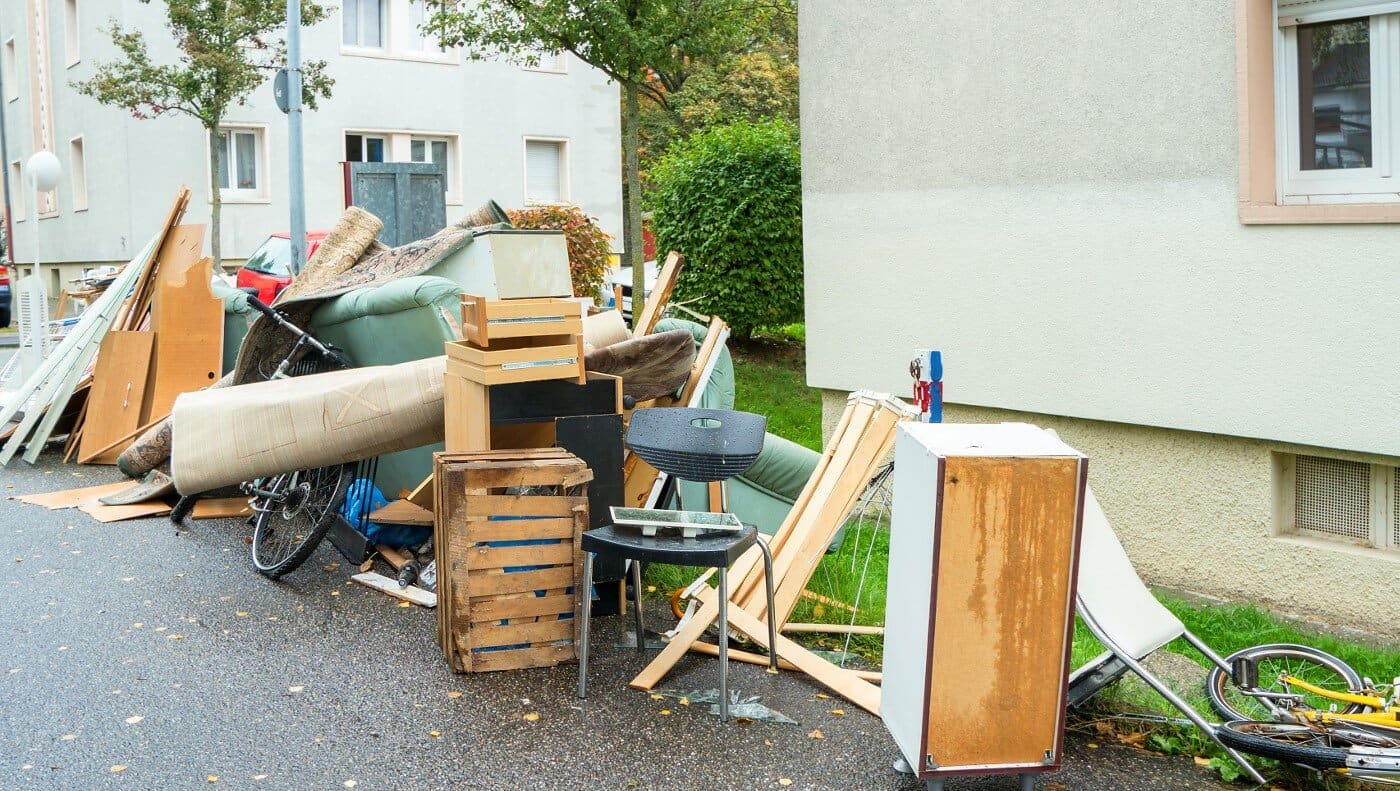
Clearing unwanted items often feels stressful when the space looks crowded. People want simple ways that save time while keeping effort low. Choosing the right option depends on project size, time limits personal involvement. Some prefer handling disposal themselves, while others want full assistance. Tigard homeowners often face this choice during cleanouts, remodel tasks, or property updates. Understanding how each option works helps prevent delays, extra costs, or confusion. This guide explains practical differences clearly, so decisions feel confident. The focus stays on ease, cost control, safety, flexibility, and effort level without using complex terms.
What makes one option easier to manage?
Ease depends on how much work you want personally. One option allows loading items at your pace. Another provides teams that handle lifting, sorting, and hauling. People with limited time usually prefer complete handling. Those wanting control over schedules lean toward self-managed solutions. Tigard users often choose based on workload comfort and urgency.
How do safety concerns influence choice?
Lifting heavy items risks strain or injury. Full-service teams use proper tools. Self-loading needs careful handling. Safety-conscious households prefer professional support. Those experienced with lifting may feel confident managing tasks alone.
What items can be handled easily?
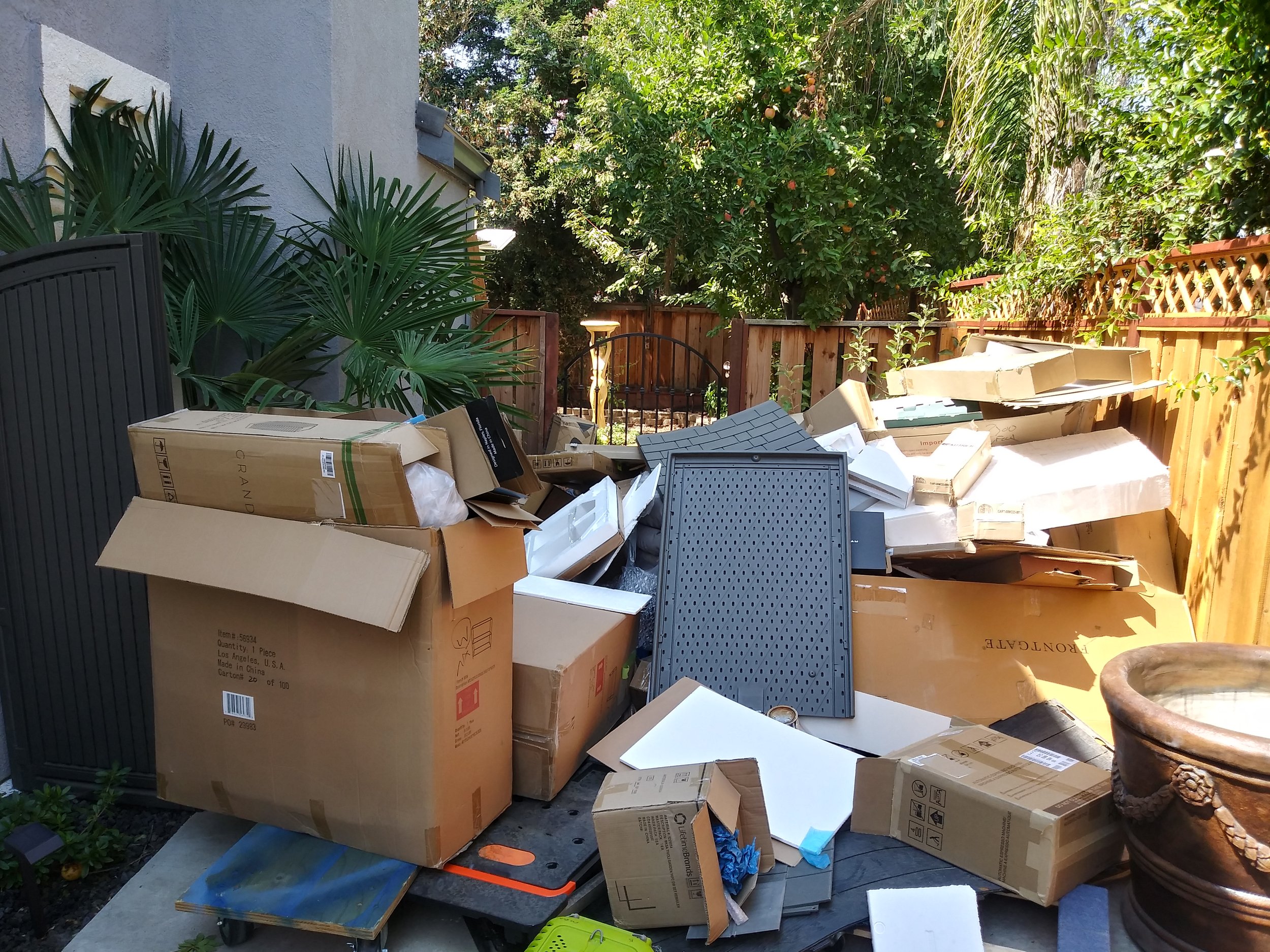
Both options accept furniture debris and clutter. Certain materials need special handling. Full-service teams sort items correctly. Self-managed users must follow the rules carefully. Knowing accepted materials prevents delays, fines, or reloading issues.
What environmental practices matter?
Responsible disposal matters to many households. Full-service teams often recycle usable items. Self-managed users must arrange sorting. Eco-focused choices depend on effort willingness. Selecting responsible providers supports waste reduction goals.
| Feature | Self-Managed Option | Full Service Option |
| Labor | Personal effort required | Team handles everything |
| Speed | Depends on the user’s pace | Completed quickly |
| Cost style | Flat period-based | Load-based pricing |
| Safety | User responsibility | Trained handling |
| Flexibility | Longer access | Scheduled visit |
When is self-handling practical?
Self-handling works for gradual projects with light items. It suits people who want control over the loading pace.
- Allows flexible loading times without rush pressure over days.
- Works well for ongoing projects with steady waste buildup.
- Provides cost clarity when labor is unnecessary.
Selecting the right approach depends on effort tolerance, time limits, space access, and safety needs. People wanting control, flexibility, and gradual work often prefer self-managed solutions. Those valuing speed, reduced strain, and quick results benefit from full-service help. Tigard households should assess project size, schedule pressure, and personal comfort before deciding. Matching needs with service style ensures smoother cleanup without wasted money or energy while keeping spaces clear and efficient.